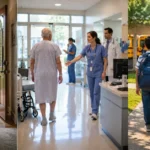
Elopement risk means the chance that a person will leave a safe space without permission or supervision. This can happen at home, in a hospital, school, or care facility.
The person at risk is often unaware of the danger they’re walking into. They may not understand traffic, weather, or strangers. That’s what makes elopement risk meaning so serious for caregivers to grasp early.
People with cognitive impairment, developmental conditions, or memory loss are usually flagged as high-risk. Care teams often use a formal risk assessment to identify who needs extra supervision.
Elopement vs. Wandering: What’s the Difference?
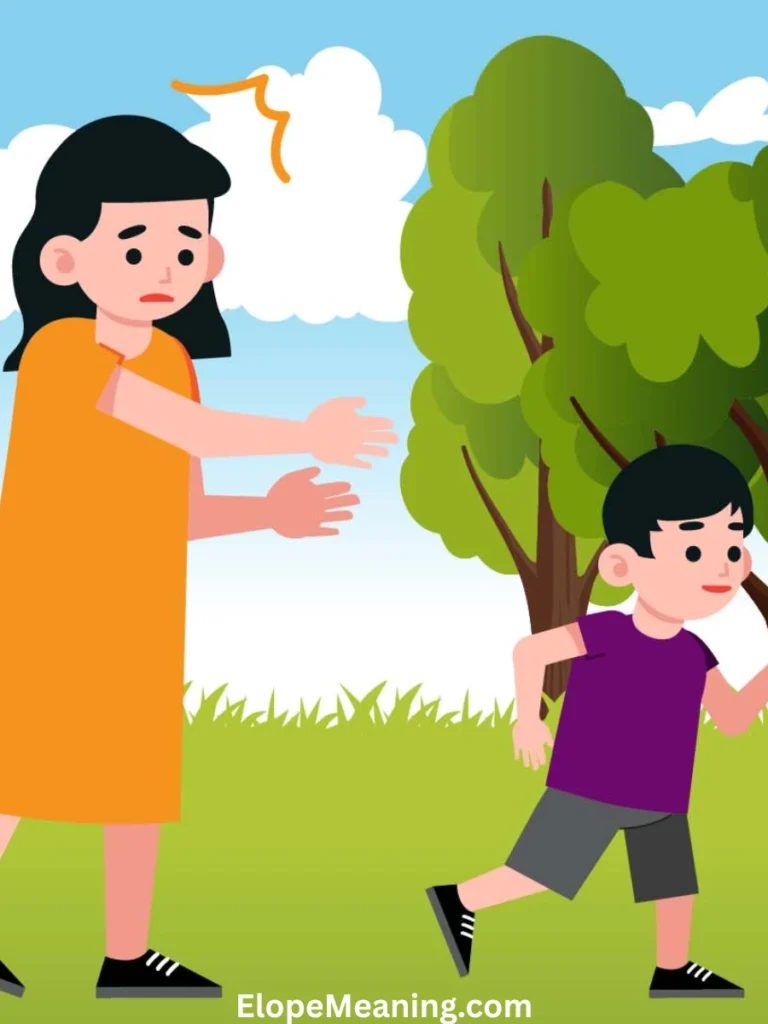
These two terms get mixed up often, but they aren’t the same thing. Wandering means moving around aimlessly within a safe area, like pacing the halls of a facility.
Elopement is more serious. It means the person has actually left the building or supervised area entirely, often unnoticed.
Every elopement starts with wandering, but not every wandering episode turns into elopement.
Knowing this difference helps caregivers respond with the right level of urgency.
What Causes Elopement?
There’s rarely one single reason behind elopement. It’s usually a mix of medical, environmental, and emotional triggers working together.
Common causes of elopement include confusion, disorientation, and unmet needs like hunger, thirst, or boredom. A person may also be trying to reach a familiar place, like a former home or workplace.
Sensory overload is another major trigger, especially in autistic individuals. A loud, bright, or chaotic environment can push someone to seek an exit just to escape discomfort.
Medication side effects, like dizziness or agitation, can also impair judgment and increase the urge to wander off.
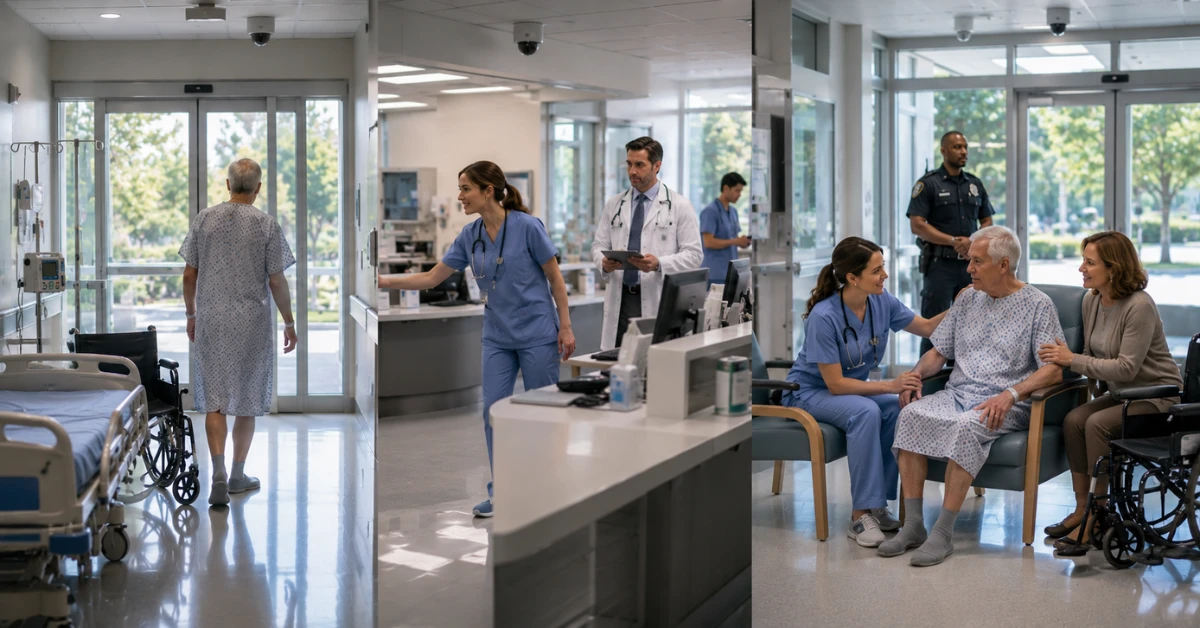
Hospital settings bring their own unique risk factors. Patients recovering from anesthesia, dealing with delirium, or experiencing unfamiliar surroundings are especially vulnerable.
Common causes of elopement in hospitals include:
Confusion after sedation or surgery
Fear or distrust of the medical environment
Pain or discomfort the patient wants to escape
Lack of consistent staff supervision during shift changes
Busy hospital floors with multiple exits make monitoring even harder, which raises the stakes for proper staffing.
Who Is Most at Risk of Elopement?
Certain groups face a much higher elopement risk than others. Recognizing these groups early allows for targeted prevention.
Group
Why They’re at Risk
Autism spectrum disorder
Sensory triggers, communication gaps, curiosity
Dementia and Alzheimer’s
Memory loss, disorientation, confusion
Mental health conditions
Anxiety, agitation, impulsive behavior
Post-surgical patients
Delirium, medication effects, confusion
Nearly half of children with autism attempt to elope at least once, often between the ages of 4 and 7. Seniors with Alzheimer’s face similar risks, especially as cognitive decline worsens over time.
Warning Signs of Elopement Risk
Spotting the signs early can prevent a dangerous situation before it starts. Most people show subtle clues before they actually leave.
Early indicators caregivers should watch for include:
Repeated attempts to reach doors or exits
Increased restlessness or pacing
Asking to “go home” or “go to work” repeatedly
Becoming fixated on windows, hallways, or parking lots
Sudden withdrawal followed by unexplained calmness
A sudden shift from agitation to quiet, unusual calm can sometimes signal that a person has settled on a plan to leave.
Family members and staff who know the person well are often the first to notice these red flags.
How to Prevent Elopement
Prevention works best when it combines physical safety measures with consistent supervision and a calm environment.
At home, families can install door alarms, childproof locks, or window sensors. Keeping a consistent routine also reduces anxiety that triggers elopement attempts.
In schools, teachers and aides should know each at-risk student’s triggers and keep exits monitored during transitions, like recess or fire drills.
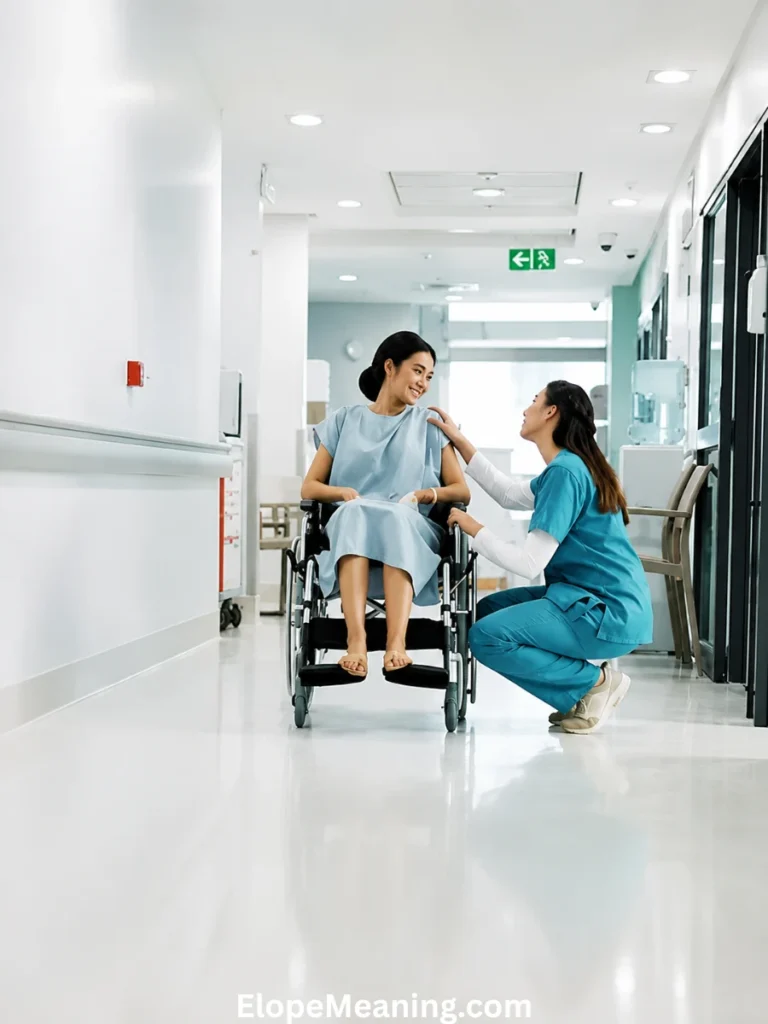
In healthcare settings, facilities need:
Adequate staffing ratios to allow close supervision
Secured exits with alarms or badge access
Individualized care plans reviewed regularly
Staff training on recognizing pre-elopement behavior
The first step in prevention of elopement is always a proper risk assessment. Without identifying who’s at risk, every other safety measure becomes guesswork.
What to Do If Someone Elopes
what-to-do-if-someone-elopes
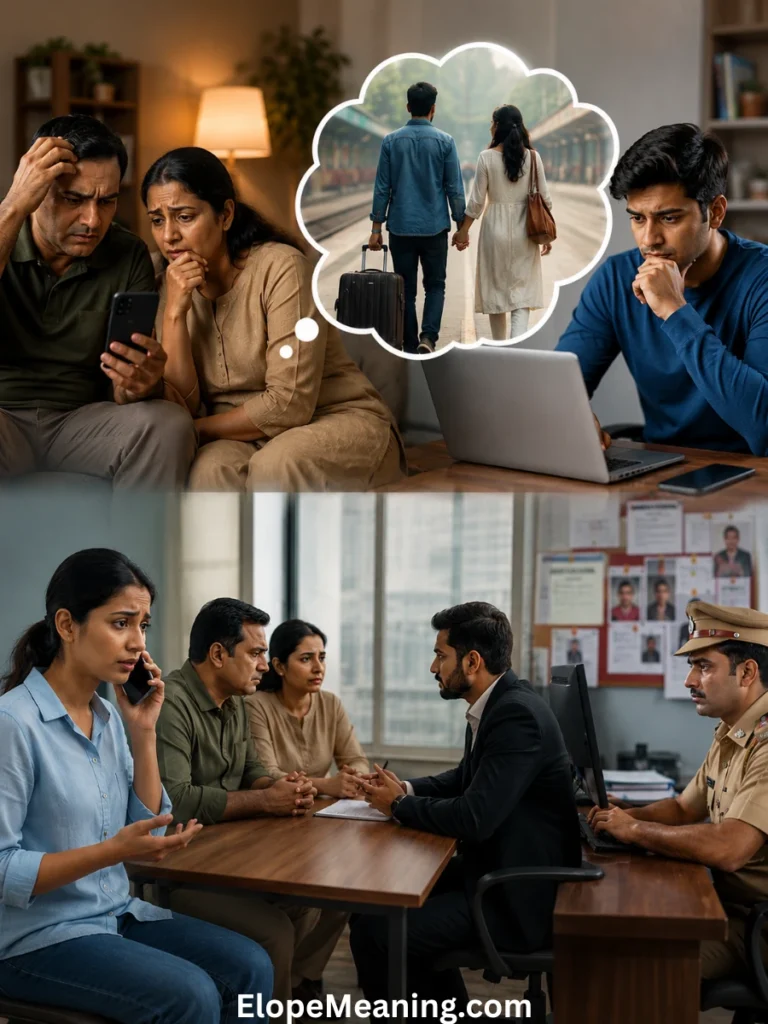
Acting fast matters more than anything else once elopement happens. Every minute counts, especially in extreme weather or near busy roads.
Immediate actions should include:
Searching nearby rooms, hallways, and outdoor areas first
Checking known “draw” locations, like a former home or favorite spot
Alerting all available staff or family members immediately
Calling 911 if the person isn’t found within minutes
Don’t wait to “see if they come back.” Early search efforts dramatically improve the chances of a safe outcome.
Facilities are also required to document the incident and review their care plan afterward to prevent it from happening again.
Conclusion
Elopement risk is a serious safety concern that demands awareness, planning, and quick action from caregivers and families alike. Understanding the causes, warning signs, and prevention strategies can mean the difference between a close call and a tragedy.
FAQ’s
What is the meaning of elopement risk?
It refers to the chance that a person will leave a supervised or safe area without permission, putting them in potential danger.
How can elopement be prevented?
Through risk assessments, secure environments, trained staff, and tools like alarms or GPS trackers.
What causes elopement?
Confusion, sensory overload, unmet needs, medication effects, and a desire to reach a familiar place.
What are common causes of elopement in hospitals?
Post-surgical confusion, delirium, fear of the medical setting, and gaps in staff supervision.
What is the first step in prevention of elopement?
Conducting a proper risk assessment to identify who is most vulnerable to elopement.
What is the definition of elopement?
Elopement means leaving a safe, supervised space without authorization or knowledge of caregivers.
Ethan Parker is a content editor researching spiritual meanings, biblical symbolism, superstitions, and dream interpretations, delivering clear, accurate, and easy-to-understand explanations for readers.